
Virtway Metaverse runs large virtual events where attendance can swing from quiet halls to connection avalanches in minutes. The infrastructure must absorb spikes without melting the database, ballooning cost, or sacrificing participant experience.
I designed and implemented a highly scalable AWS architecture centered on Aurora Serverless v2, RDS Proxy, and multi-layer hybrid autoscaling—coordinated with Terraform, CloudWatch, and Datadog so the team could see problems before users did.
Operations at Event Scale
From an operator’s perspective, success looks like stable latency during keynote moments, predictable database load, and autoscaling that adds capacity ahead of pain instead of after outages. The work focused on aligning compute, connection pooling, and observability so bursts became a known scenario—not an emergency.
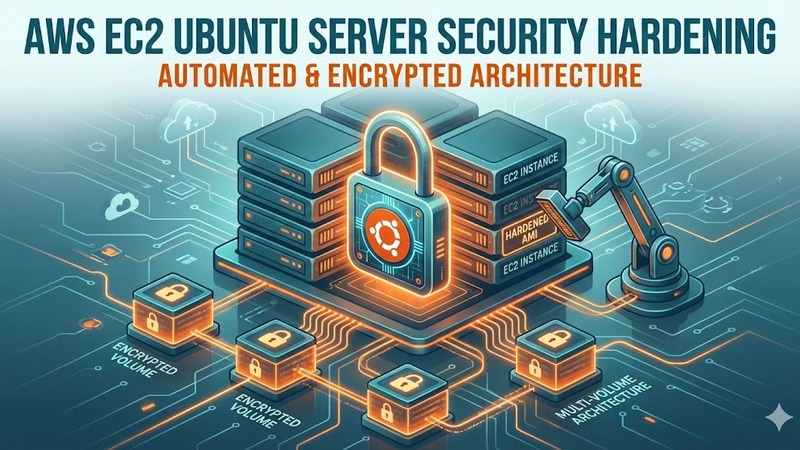
Dashboards and alarms tie application symptoms (queue depth, error rates, tail latency) to infrastructure signals (ACU utilization, proxy saturation, ASG activity). That feedback loop makes post-incident review concrete and future tuning measurable.
The Challenge: Spiky Metaverse Traffic
Metaverse-style workloads stress classic three-tier setups because:
- Concurrent connections can grow faster than naive pool sizes allow.
- Database CPU and I/O spike with social presence, chat, and world state updates.
- Cold starts and slow scale-out show up as user-visible freezes.
- Cost swings punish both under-provisioning (outages) and over-provisioning (waste).
The goal was to keep PostgreSQL healthy under bursts, let application tiers scale on multiple signals, and preserve rollback-friendly infrastructure changes via IaC.
Architecture: Aurora, Proxy, and Autoscaling
The design stacks managed database scale with connection multiplexing and compute elasticity at the edge of the data tier.
| Component | Technology | Purpose |
|---|---|---|
| Database | Aurora Serverless v2 (PostgreSQL) | Elastic capacity for variable load |
| Pooling | RDS Proxy | Reduce connection storms and improve failover behavior |
| Compute | EC2 + Auto Scaling | Horizontal scale for application tiers |
| Traffic entry | Application Load Balancer | Healthy target routing during scale events |
| IaC | Terraform | Repeatable environments and reviewed changes |
| Metrics | CloudWatch + Datadog | Unified operational visibility |
Hybrid autoscaling strategy
- Define scaling signals that reflect real user pain (latency, saturation), not only CPU.
- Tune Aurora ACU bounds against observed peaks and steady-state cost.
- Validate RDS Proxy limits and application pool sizes together—either side can bottleneck.
- Exercise failover and scale events in staging with synthetic load before major events.
Core Features
1. Aurora Serverless v2 fit
Aurora Serverless v2 provides fine-grained scaling for PostgreSQL-compatible workloads. The implementation focused on sensible minimums (so cold events don’t starve) and maximum guardrails (so runaway queries cannot consume unlimited budget).
2. RDS Proxy as a shock absorber
RDS Proxy sits between application pools and Aurora to multiplex connections, smooth authentication churn, and improve behavior during failovers. This is often the difference between “we opened too many connections” and “the tier survived the keynote.”
3. Multi-layer scaling and observability
Auto Scaling policies complement database elasticity rather than fighting it. CloudWatch and Datadog provide overlapping views—AWS-native metrics for control-plane truth, Datadog for cross-service traces and longer-term trends.
Technical Achievements
Work in Progress
Live platforms keep evolving. Follow-up work typically includes:
- Chaos-style drills for AZ failure and proxy failover paths
- Cost attribution dashboards per event or tenant cohort
- Tighter SLOs on tail latency with burn-rate alerting
Conclusion
Virtway’s needs are a textbook case for Aurora Serverless v2 plus RDS Proxy: unpredictable concurrency, PostgreSQL semantics, and a mandate to scale down when the virtual halls empty out.
Patterns you can reuse:
- Treat connection management as first-class—proxy and app pools are one system.
- Pair autoscaling layers so the database and compute tiers don’t diverge under stress.
- Invest in observability early—metaverse spikes are easier to simulate after you’ve measured real ones.
Facing spiky traffic on AWS?
I can help with:
- Aurora Serverless v2 sizing, limits, and migration considerations.
- RDS Proxy design for real application pool behavior.
- Auto Scaling policies tied to user-impacting metrics.
- Terraform baselines and reviewable infrastructure change flows.
- Datadog / CloudWatch signal design for on-call clarity.
From event platforms to SaaS with bursty tenants, the same reliability economics apply.
Available for architecture reviews, implementation, and incident-hardening on AWS.
Get in touch ->
About the author
Business Flow Navigator Inc.
Tech entrepreneur and cloud architect with over 20 years of experience transforming infrastructures and automating processes. Specialist in AI/LLM integration, Rust and Python development, and AWS & GCP architecture.
Related projects

GeoWebcams - Intelligent Webcam Discovery Platform
Comprehensive platform combining Python data processing, Rust web applications, and AI-powered workflows to discover, validate, and serve thousands of live webcams from around the world, with advanced geographic search and live streaming capabilities.
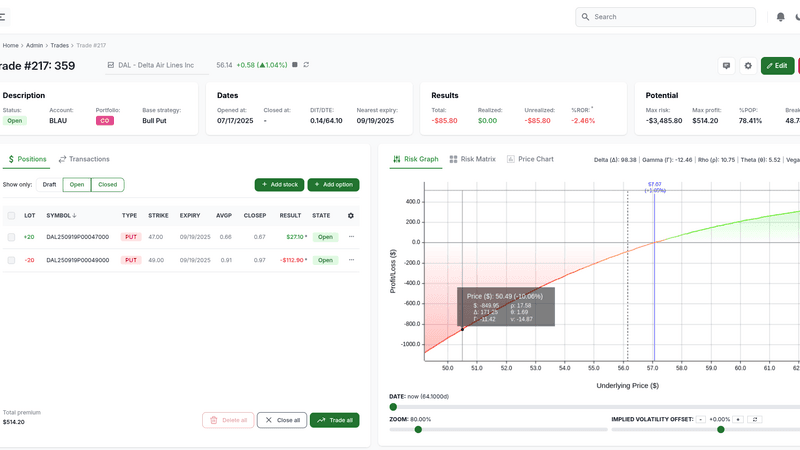
Option Panel - High-Performance Rust Options Trading Platform
Professional web-based options analysis platform combining the power of Rust and WebAssembly to perform complex financial calculations with exceptional performance, including Greeks analysis, multi-leg strategies, risk assessment and profitability evaluation with ultra-low latency.
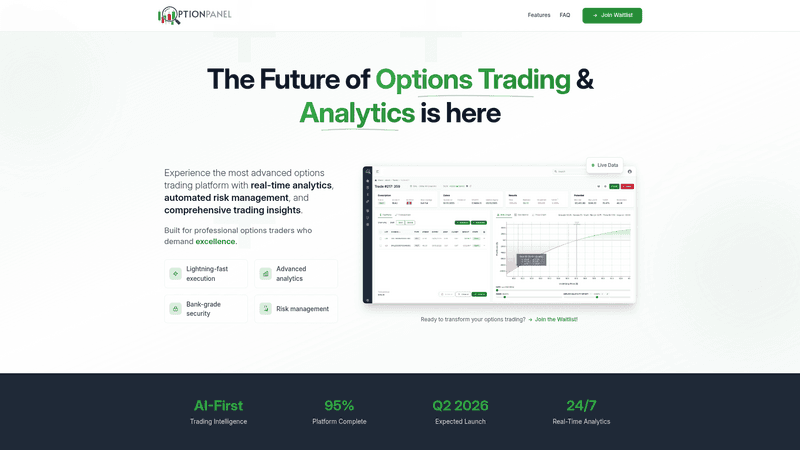
Option Panel - Modern Landing Page with Astro and Tailwind CSS
High-performance static landing page for professional options trading platform, built with Astro, Tailwind CSS, and JavaScript. Directus CMS integration for lead management with advanced spam and fraud protection. 1-week development timeline.